


Real cost of tournaments and lack of new formats — KheZu podcast with BLAST producer
BLAST producer Sebastian Kuno, in a podcast with Maurice KheZu Gutmann, spoke about the behind-the-scenes of the tournament scene, touching on key topics such as the real costs of events, repetitive formats, and organizational challenges.
According to him, the audience often underestimates the scale of expenses:
The prize pool is large, but production costs even more. Considering all expenses, including travel, venue, and production, it amounts to millions of dollars.
We try to maintain a high level of product and broadcast quality, even if it means additional costs and having to cut back in other areas. A basic rule: multiply the prize pool by two or three to get the real cost of a tournament.
Special attention was also given to tournament formats. Despite audience interest in experiments, organizers rarely move away from the classic system.
According to Kuno, the reason lies in risks for business and partners:
If you introduce too many unconventional formats, there is a risk that the product loses its value. Moreover, such tournaments are harder to explain to partners and sponsors. It’s better to run them as a separate event, for example once per season, to keep them unique.
Strict broadcast schedules, TV rights obligations, and sponsor commitments dictate format stability. Elements like BO3/BO5 and group stages are familiar to viewers and ensure consistent audience engagement.
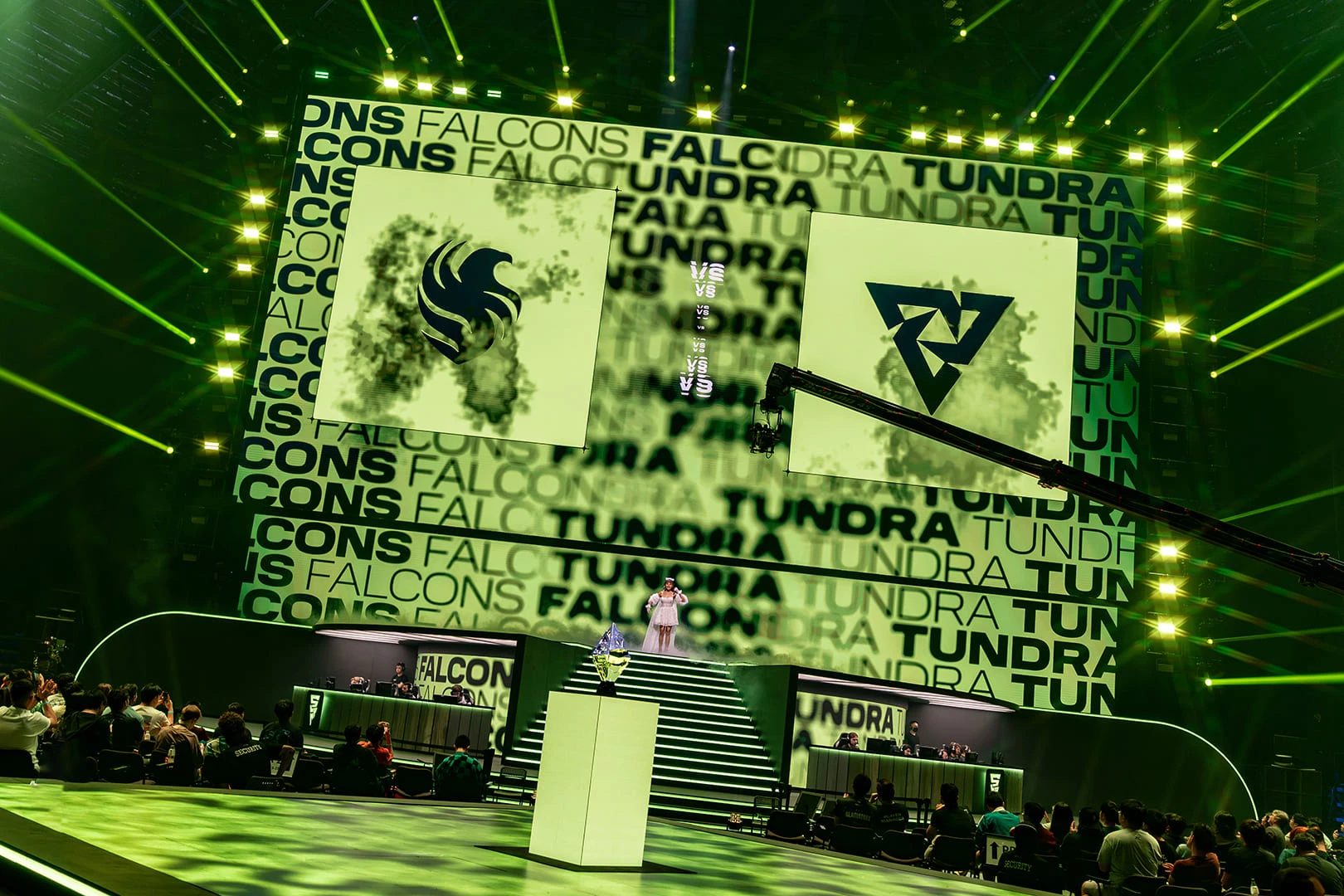
Kuno also spoke about the complexity of tournament preparation, noting that even studio events require around two months of work, while large LAN tournaments can take up to four months to prepare. According to him, viewers often do not realize the scale of the process:
People sometimes underestimate how difficult it is to run live broadcasts and how many people are involved in every element of the show.
Teams usually arrive one to two days before the start, hold practice sessions and press conferences. Then one or two days of group stage matches or qualifiers are played. After that, there is a week allocated for stage preparation, followed by playoff matches on Friday and Saturday. The grand final and award ceremony take place on Sunday.
In conclusion, Grudholt emphasized that organizers are constantly trying to balance the interests of all parties:
You need to find a balance between players, viewers, and business, because leaning too much in one direction starts to harm the entire ecosystem.
BLAST as a commercial company invests millions into long-term development. On the CS scene alone, BLAST Premier is already planning $10 million for 2027. Overall, tournaments generate around €22 million for the host city's economy.
The next event from the organizer will be BLAST SLAM VII, which will take place from 26.05.2026 to 07.06.2026 in Copenhagen, Denmark. Twelve teams will compete for a $1,000,000 prize pool.
The previous BLAST SLAM VI was won by Team Liquid, who defeated Natus Vincere in the grand final.
Earlier, Cyberscore reported on the teams that received invitations to DreamLeague Division 2 Season 4.




by CyberScore